
Optimizing Sample Prep for FFPE Tissue Proteomics in Translational Research
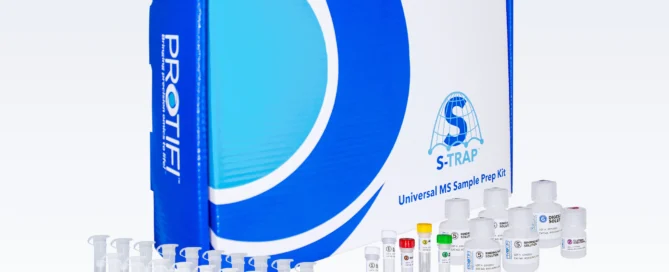
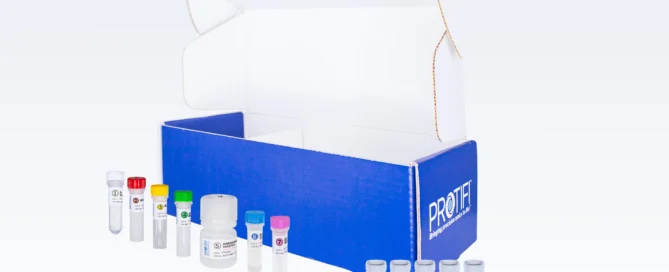
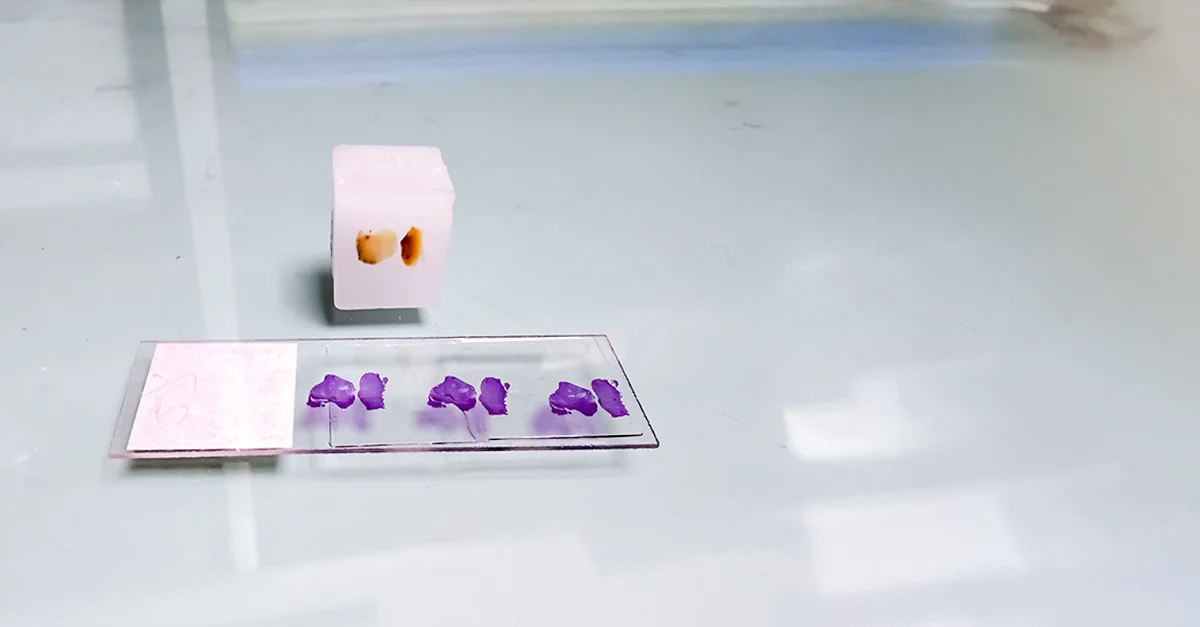
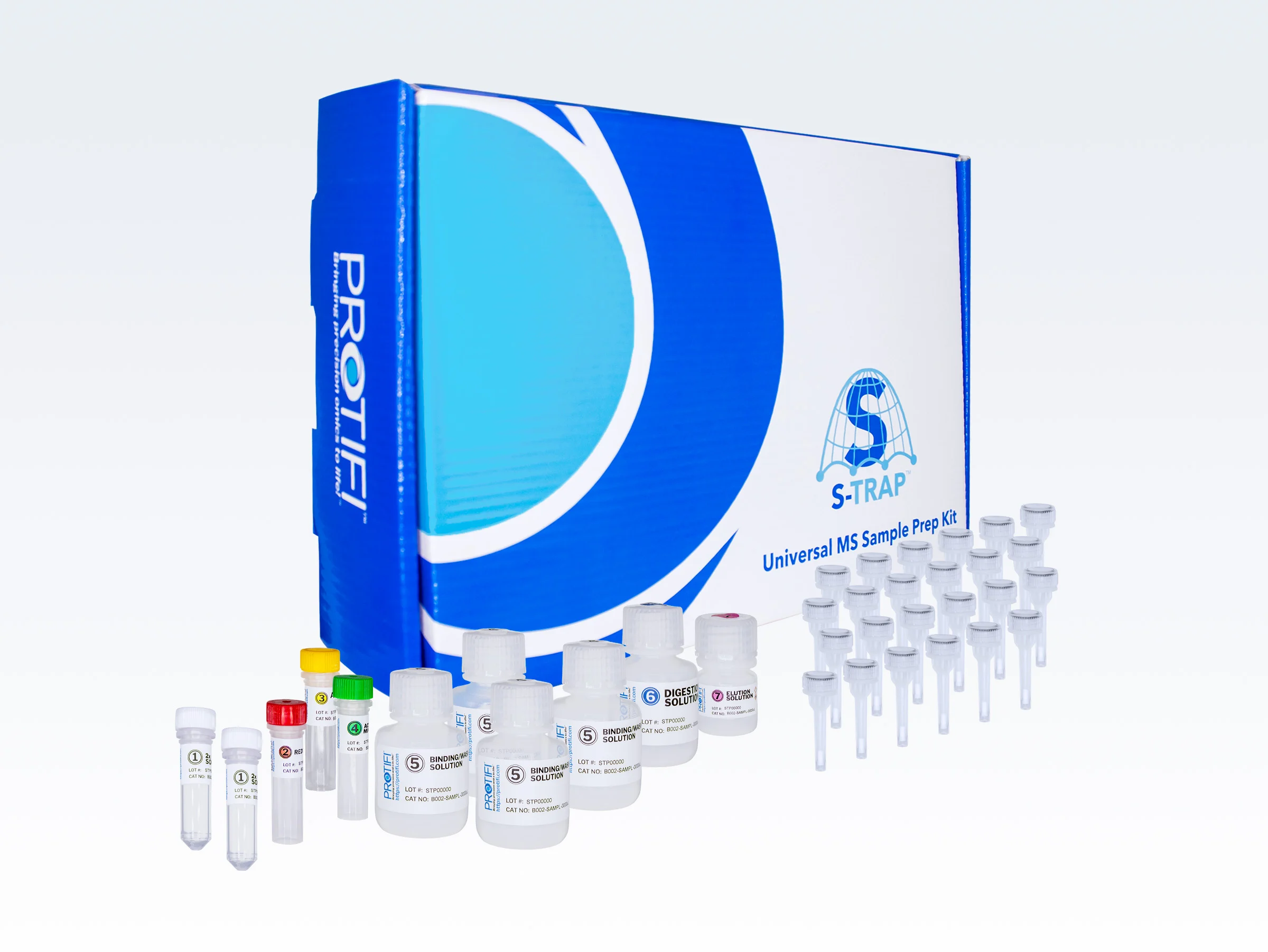
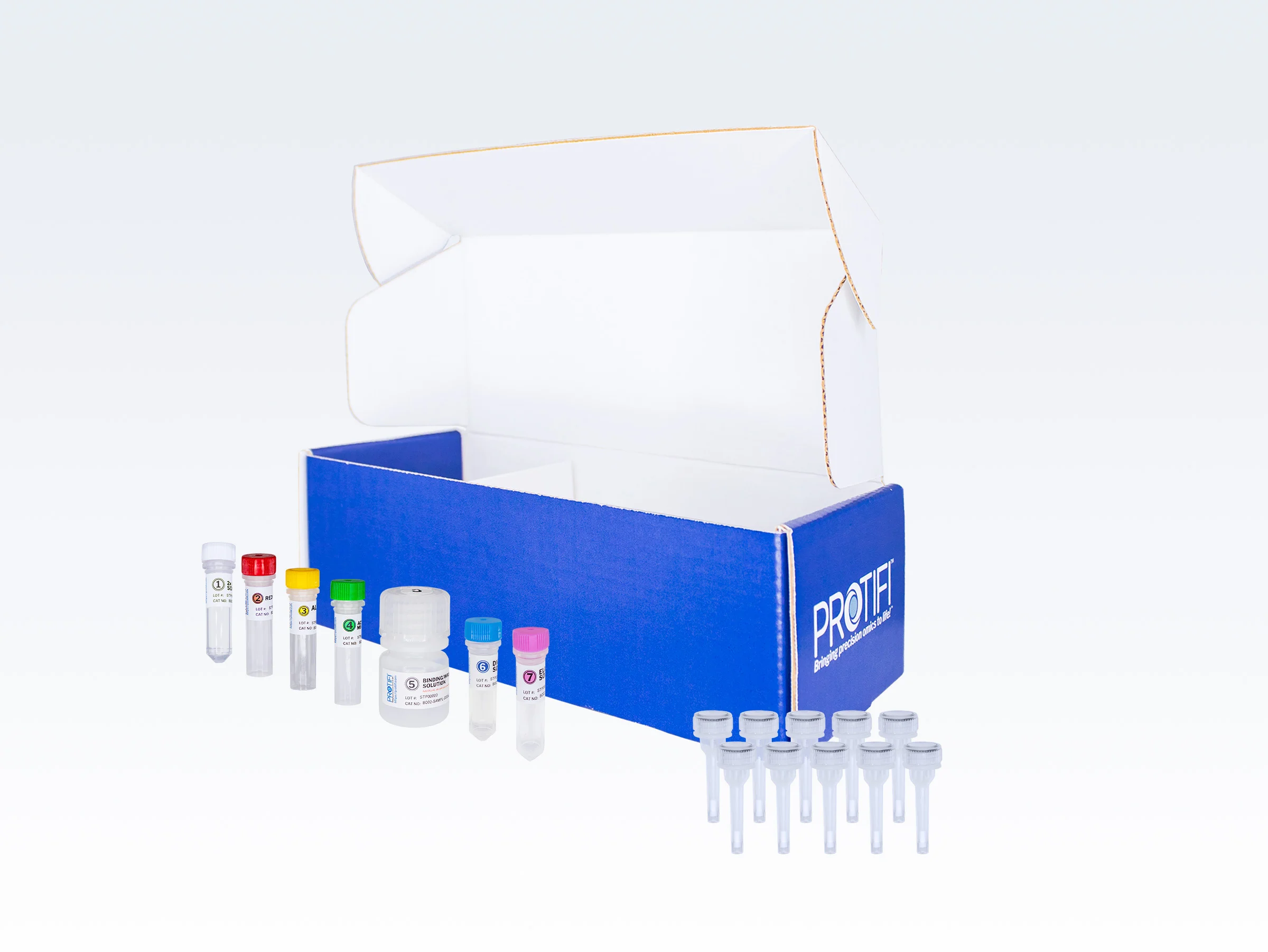
Mining formalin-fixed, paraffin-embedded (FFPE) samples represents one of, if not the, the biggest opportunity in translational biomedical research, because FFPE captures real-world disease biology at scale: fixation preserves tissue architecture and cellular detail, and embedding enables thin sectioning for staining and immunohistochemistry (IHC) (2,4). FFPE samples are also uniquely stable at room temperature for decades, if not longer (5,13,14), a feature that led FFPE to become and remains the default format of sample preservation in clinical pathology and biobanking (11,13,14). Resultingly, pathology and biobanking archives have grown to absolutely enormous scale – “billions” of FFPE specimens in published estimates (13,14) – sampled at literally every condition of health and disease at every stage (11); these samples are often paired with rich clinical annotation and long follow-up, and rare diseases and diverse treatment histories are well represented. To my knowledge, no other specimen types capture real-world human disease biology at a comparable scale, and no other sample is as physically robust. Yet the same stability and chemistry that makes FFPE so useful for histology creates challenges. Namely, wax and crosslinking are mutually incompatible with most analytical techniques, including proteomics. Hydrophobic paraffin contaminates, clogs column and results in unacceptable LC–MS performance (4,5,10). Formaldehyde fixation can cause chemical artifacts and literally turns samples into one giant molecule: proteins become locked into insoluble, inflexible networks that result in inefficient extraction, huge pellets and inhibited digestion. Unfortunately, “tissue in” often turns into “few peptides out” (3–6). Effective analysis to reveal the true underlying state of biology obligates that we rewind the very features that make tissue archival possible. However, FFPE proteomics does not have to be “second class.” With the right sample preparation including steps of extraction, homogenization and cleanup strategy, quantitative results from archival FFPE closely mirror that of paired flash-frozen tissues. Our HYPERsol workflow is a clear example: direct solubilization in 5% SDS, ultra- or megasonication (respectively at 500 kHz or 2 MHz) paired with S-Trap™ processing, yields depth and reproducibility on par with paired frozen tissue. Proteome quantifications also track with an average correlation of R = 0.94 and successful analysis of specimens stored for up to 17 years (5). Brief history of FFPE FFPE emerged when chemical sample fixation and paraffin infiltration embedding were efficiently combined into a single protocol (1,2,16,17). In the 1860s, paraffin infiltration embedding, in which water in tissue is removed by dehydration and clearing, then replaced with wax, was developed (16). Building on wax-based approaches described by Salomon Stricker (1834–1898) and paraffin experiments by Theodor Albrecht Edwin Klebs (1834–1913) that revealed challenges of infiltration, Wilhelm His Sr. (1831–1904) formalized a dehydration-clearing-paraffin infiltration (embedding) workflow that underlies modern practice (16). Fixing techniques were still evolving and in 1893, Ferdinand Blum (1865–1959), after noticing hardening of his fingertips during [ungloved] sample handling, showed that dilute formaldehyde “formalin” could preserve tissue with relatively little distortion while maintaining microscopic detail, making fixation reliable enough to withstand subsequent solvent and hot wax steps (2,17). This sequence defines the process we use today: [...]